The Science
Regulating cell metabolism to develop disease-modifying therapeutics to treat chronic autoimmune and inflammatory disease.

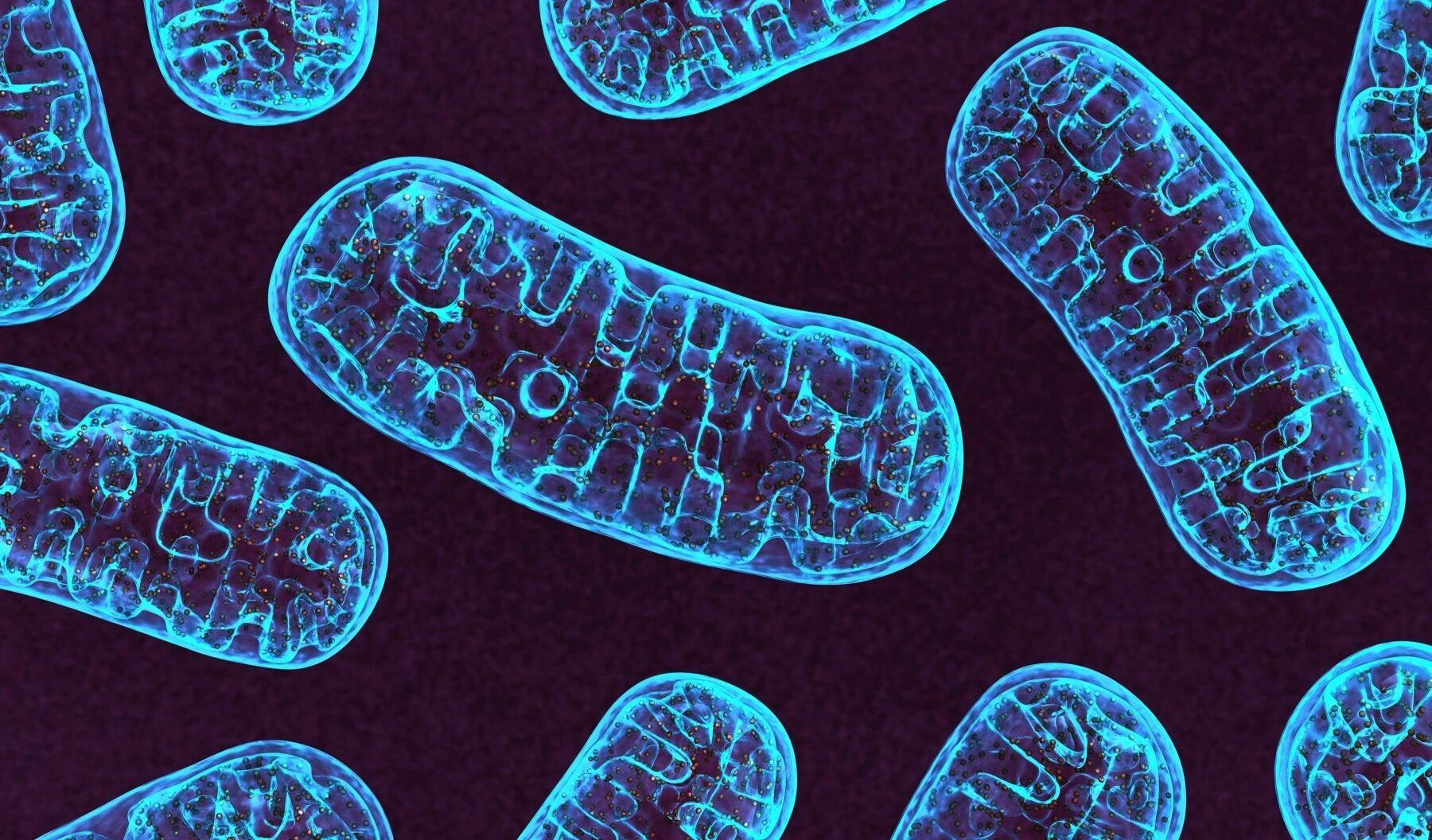
Introduction to our science

Focus on immunometabolism
The field of immunometabolism is an exciting area of medicine at the forefront of immunology research that stems from a growing understanding of how metabolic changes within immune system cells can drive severe disease
Metabolic pathways play a central role in regulating immune cell function and activation, with dysregulation across these pathways impacting immune response and contributing to the progression of chronic autoimmune and inflammatory disease.Sitryx is building a broad pipeline of first- and best-in-class therapies by identifying novel targeted approaches based on how changes in metabolism modulate immune cell function.
Intervening in cell metabolism
Metabolic changes within cells of the immune system can drive the pathology of a disease. By intervening in cell metabolism, inflammation and tissue damage can be reversed and resolved, leading to better patient outcomes.
Metabolic changes can contribute to pathology →
- Normal Tissue
- Acute Inflammation
- Chronic Inflammation
- Tissue Damage and Fibrosis
← Metabolic intervention can reverse changes
Broad-based impact to resolve disease
Most modern anti-inflammatory and oncology drugs intervene at a particular point causing immunosuppression with limited results. Changing the state of different combinations of immune cells can have a much more wide-ranging impact to potentially resolve inflammation.
Blocking Cytokines
Blocking cytokines at one particular point results in targeted immunosuppression and resolution of disease in a limited subset of patients.
Targeted Metabolic Intervention
Targeted metabolic intervention can shift cells to a non-inflammatory pro-resolution state, offering the potential for a broader population of patients to achieve disease remission.
Scientific Publications & Presentations
Click the posters below to preview it in full detail.


